english deutch francis
ruskij cesky

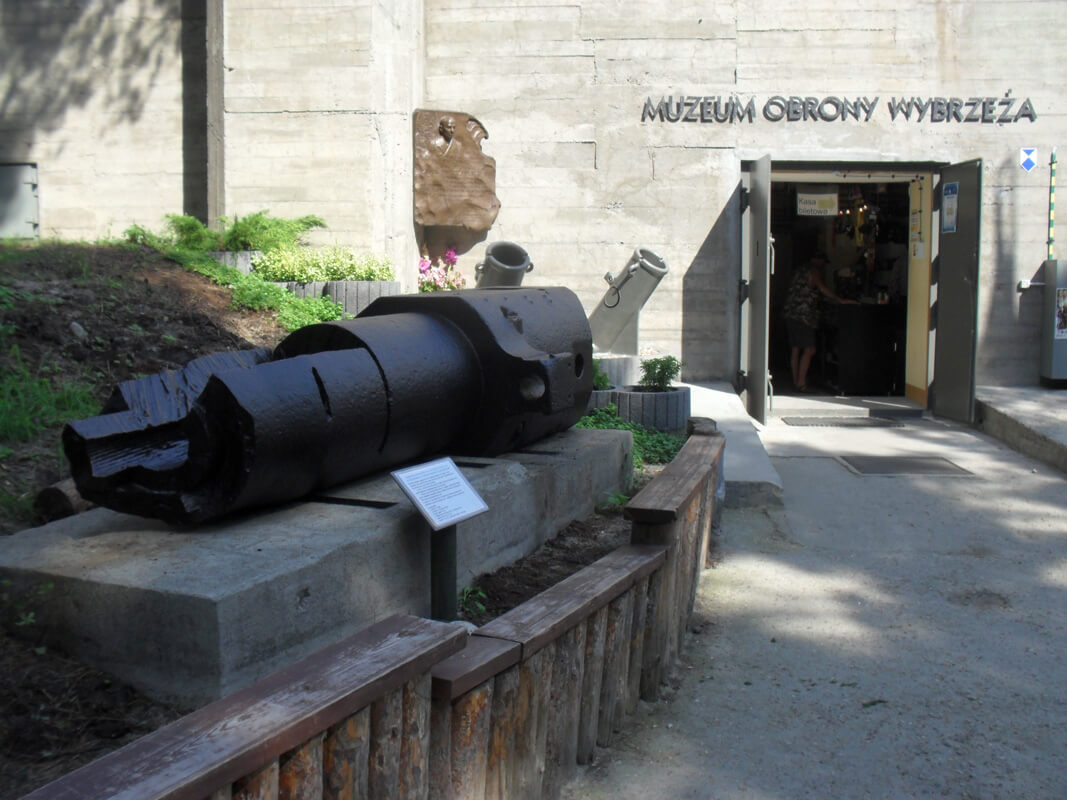
THE MUSEUM OF COASTAL DEFENCE


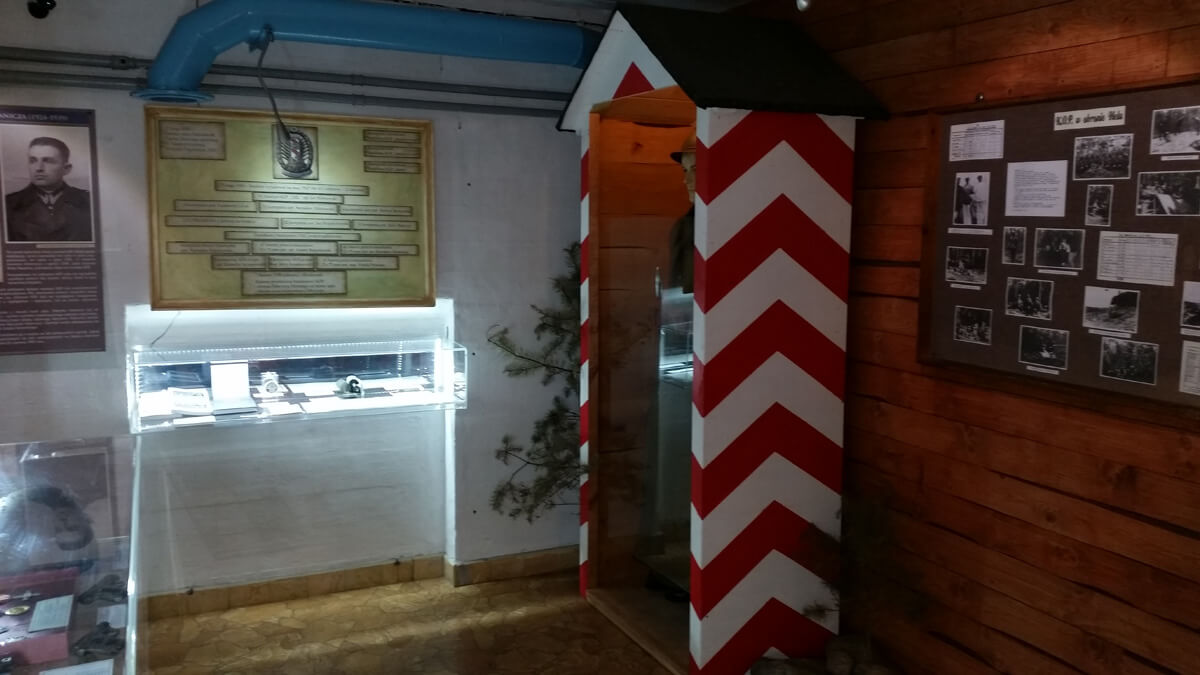
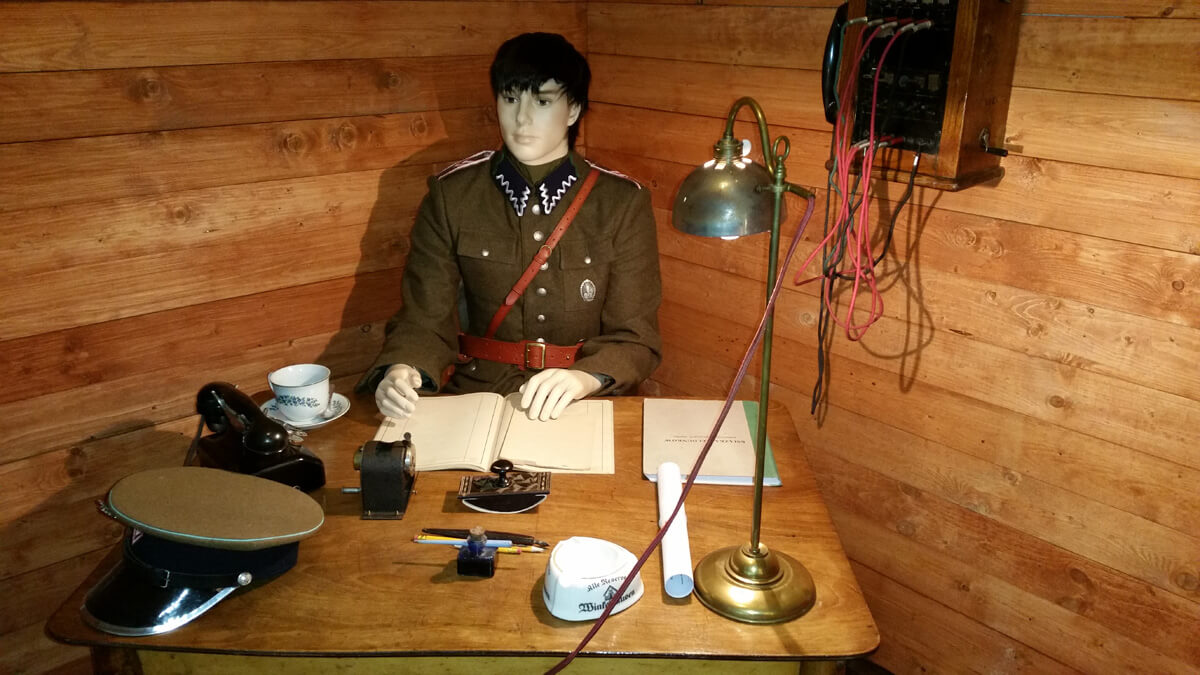
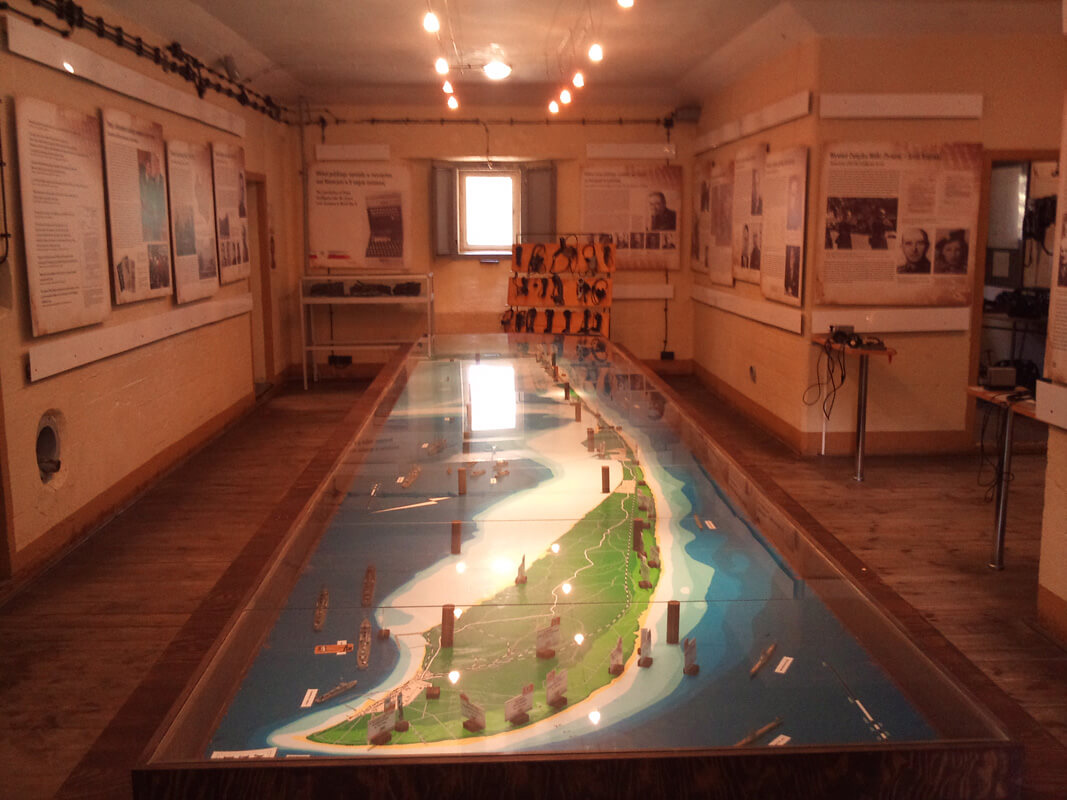
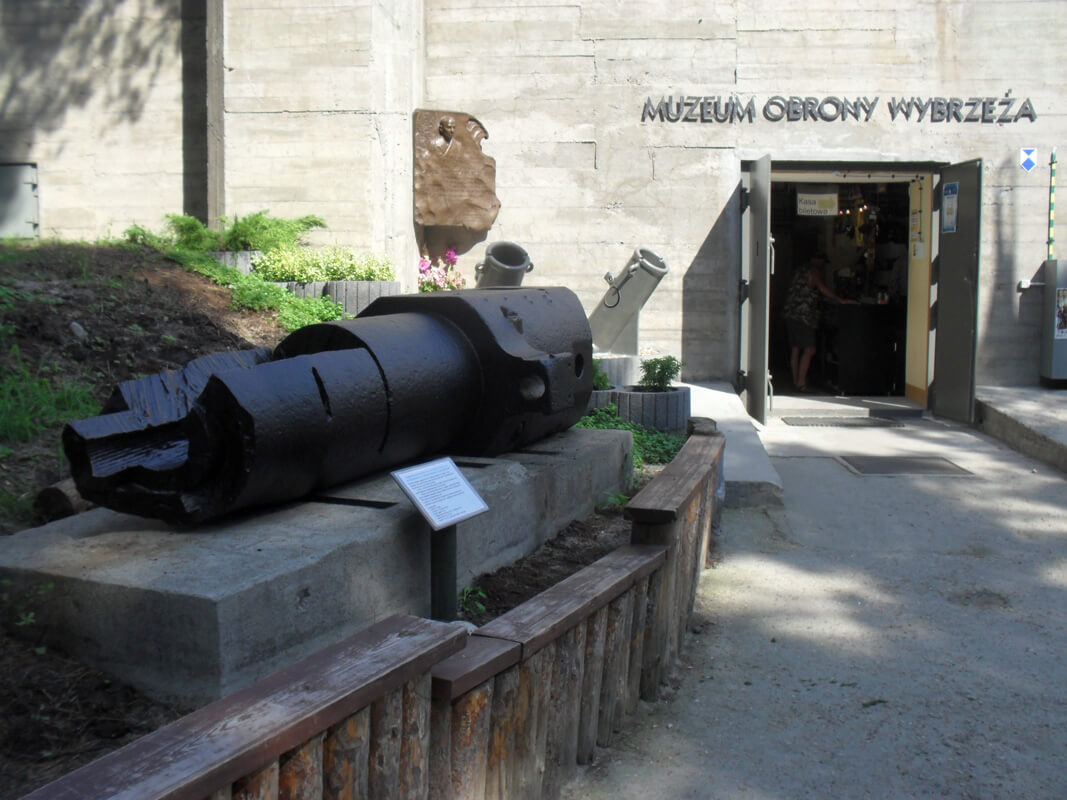
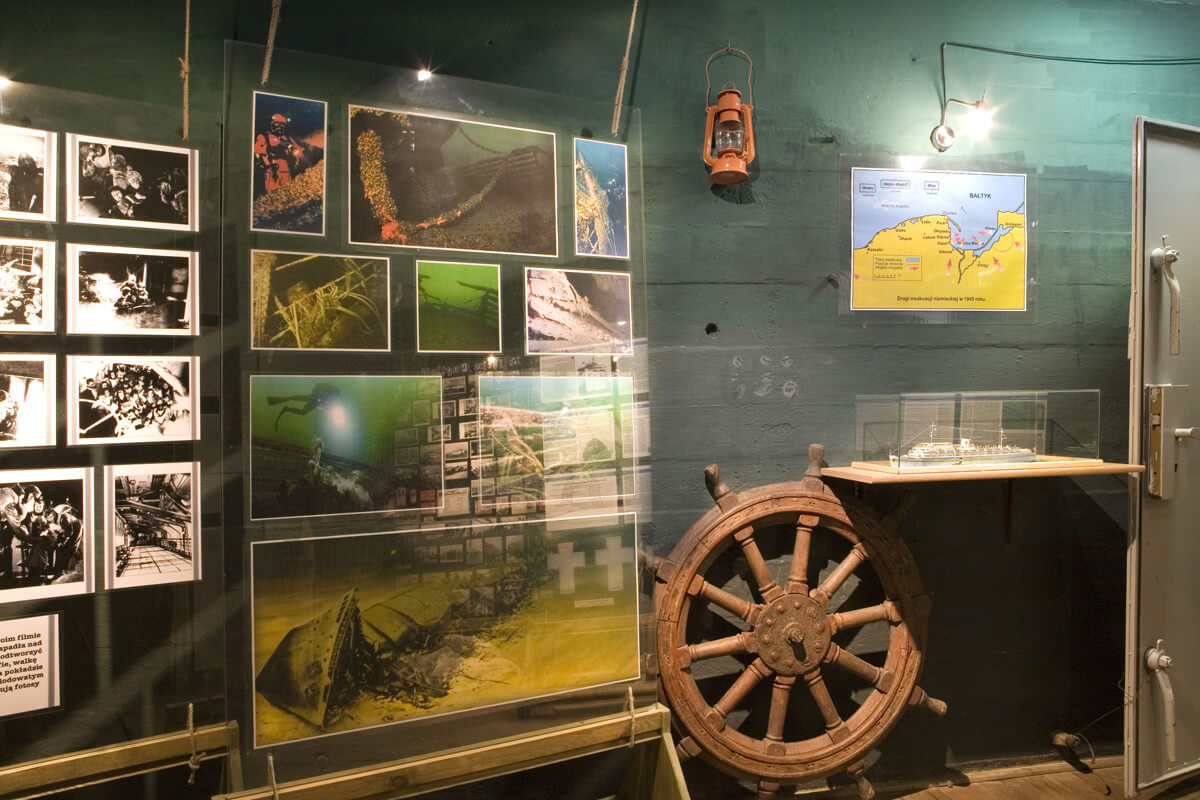
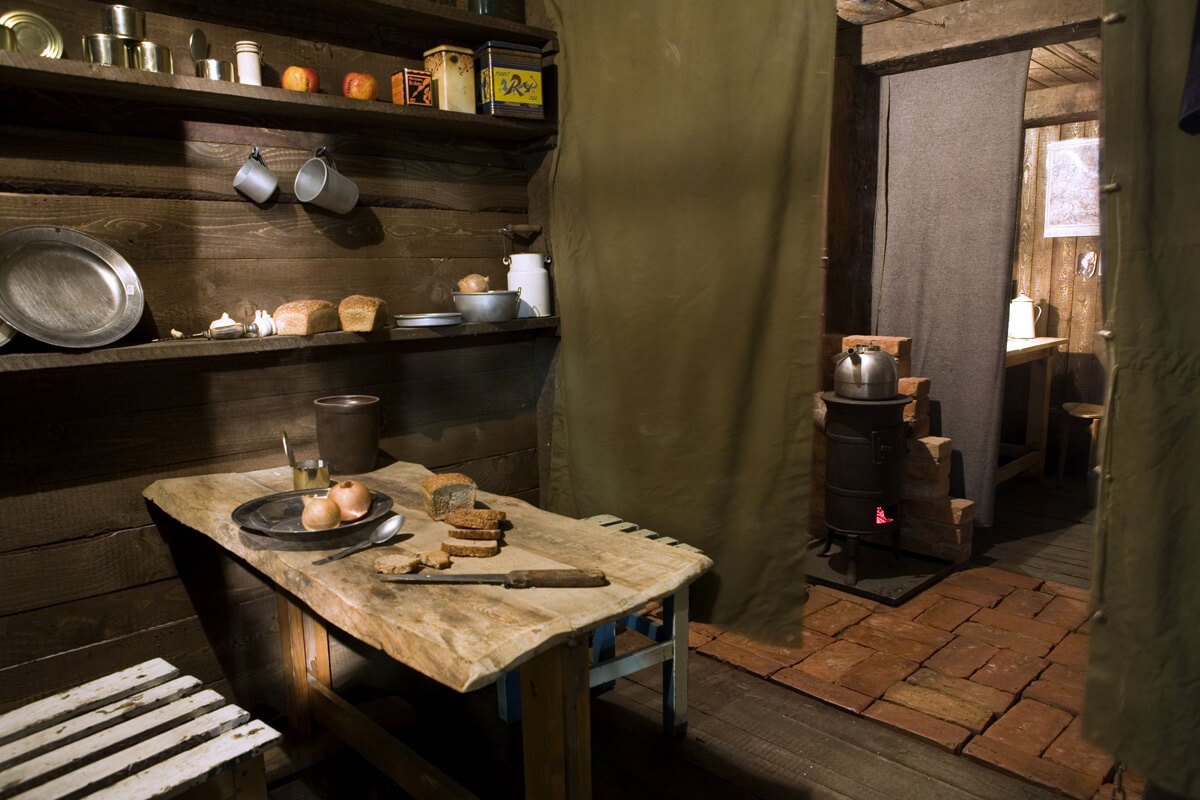
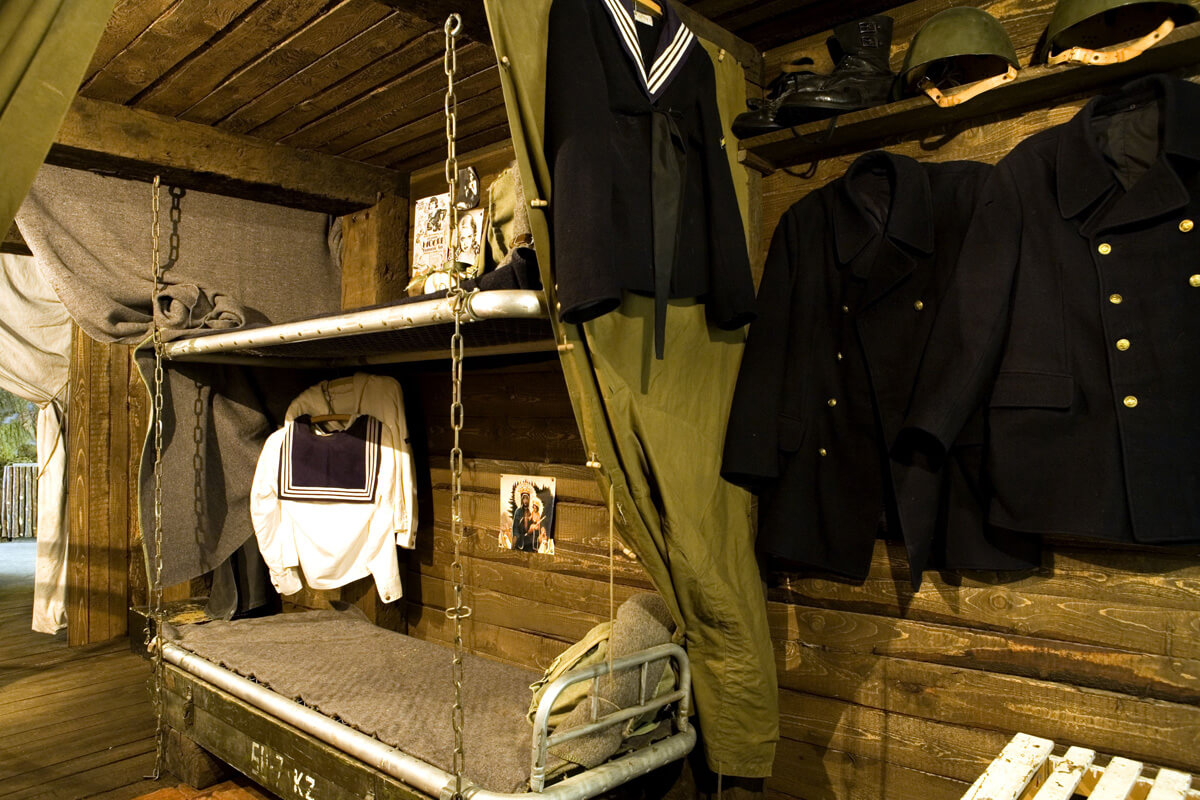
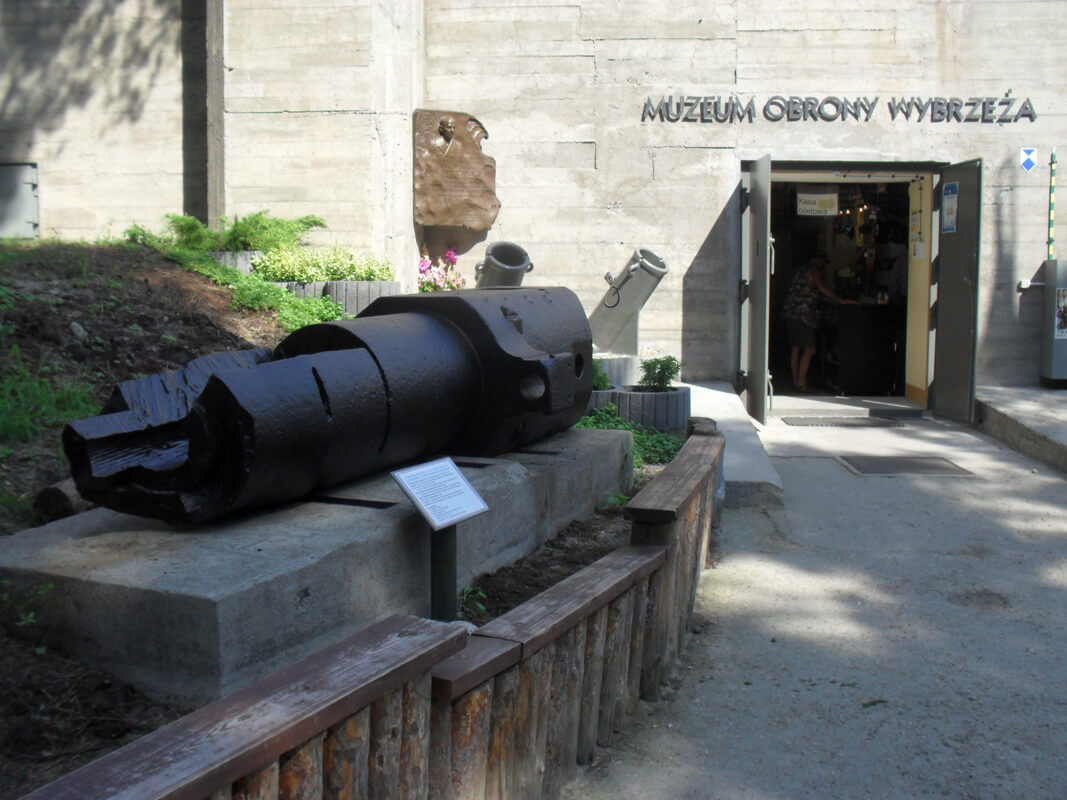
The Museum of Coastal Defence in Hel was established by the "Friends of Hel" society in buildings formerly occupied by the German "Schleswig-Holstein" 406 mm battery: the B2 gun emplacement and the range-finder tower. The Museum was opened to visitors on 1st May 2006. The aim of the museum is to show the military history of Hel and the Polish Navy. A number of thematic exhibitions show the heroism of the defence of Hel in 1939, and the development of the Polish Navy through history. The development of naval armaments and communications over the last fifty years is shown in detail.

The museum is dedicated to the memory of Zbigniew Przybyszewski - the commander of the peninsular battery named after H. Laskowski. He was the hero of the 32 days of the defence of Hel in the autumn of 1939. After surrendering, he was a prisoner of war in many camps and oflags. After the war he returned to Poland. He rebuilt the Polish Navy. He was appointed commander of the torpedo-boat division, and afterwards the commander of the 31st division of coastal artillery in Redlowo. In 1947 he was promoted to the rank of lieutenant commander, and in 1949 was appointed Chief of Artillery in the Polish Naval High Command. He was sentenced to death and executed in 1952 after false charges were brought against him in "the trial of the seven commanders". In 1956 he was rehabilitated.

After conquering Hel, the Germans came fully to appreciate the military significance of the Hel peninsula. For 32 days they had been unable to take it, despite the fact that they had a powerful fleet and air force at their disposal. For this reason, in late 1939 they started to build heavy coastal artillery emplacements at a point about 1.5 km from the centre of the town of Hel, naming them after the battleship "Schleswig-Holstein", which had played a sinister role in Polish history. By early 1941, three emplacements for 406 mm coastal guns, a rangefinder tower and two munitions magazines had been built. Shells weighing more than a ton could be fired over a distance of 56 km. Towards the end of 1941 when the situation on the eastern front changed radically, it was decided to close down the battery and the dismantling of the guns was begun. Guns from Hel were transported to France, and set up on emplacements in Sangatte near Blanc Nez as the Lindemann battery, from which point by November 1942 they were shelling Great Britain.


Ticket prices

regular rate

6 PLN

reduced rate

4 PLN


Reduced rate tickets - school children, students, seniors over 65.

With one ticket you can visit both objects of Museum


Opening hours

1st October - 15th October

11:00 - 16:00

15th October - 31st March

possibility to open by phone for groups more than 20 visitors (0 697 88 85 83,
0 697 88 85 82
)

1st April - 30th April

11:00 - 16:00

1st May - 30th June

10:00 - 18:00

1st July - 31st August

9:00 - 19:00

1st September - 30th September

10:00 - 18:00


^ do góry


Wszelkie prawa zastrzeżone. Zabrania sie wykorzystania powyższych materiałów tekstowych oraz zdjęć bez zgody włascicieli.
Copyright © by Stowarzyszenie "Przyjaciele Helu"

2007 © biker